James Hardie vs Vinyl Siding for Oregon Homes (2026 Guide)
Hardie board and vinyl both work in Portland, but they perform very differently in our wet climate. Here is how to pick the right one for your house, your budget, and your time horizon.
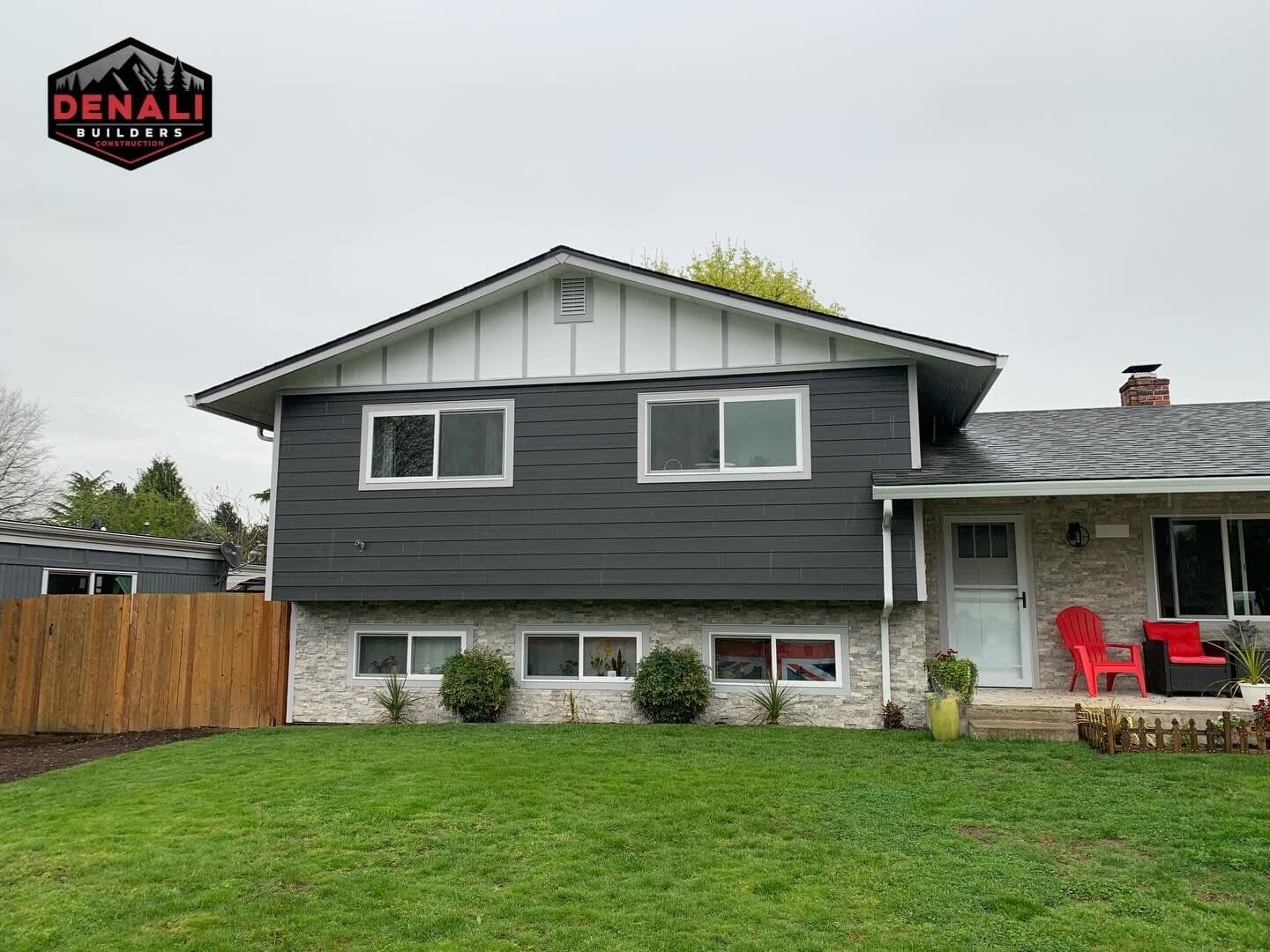
Vinyl and James Hardie fiber cement are the two siding materials we install most often in the Portland metro. Both are good products. They're built differently, they age differently, and they make sense for different homes. Here's a straightforward comparison based on hundreds of installations across Portland, Beaverton, Hillsboro, Lake Oswego, and Tigard.
Quick cost comparison
- Vinyl siding installed: $5–$9 per sq ft. Average Portland home: $9,000–$18,000.
- James Hardie fiber cement installed: $9–$14 per sq ft. Average Portland home: $18,000–$32,000.
- LP SmartSide (engineered wood) installed: $7–$11 per sq ft. A common middle-ground choice.
How each performs in Portland's climate
Hardie board is dimensionally stable in wet, freeze-thaw conditions and doesn't absorb water the way wood does. It's also non-combustible, which matters for wildfire-zone homes on the west side of the metro. Vinyl is essentially weatherproof too, but it can warp from heat reflection (think a grill or a neighbor's window) and it expands and contracts more across seasons, which can show at long horizontal runs.
Appearance and resale value
Hardie looks like real lap siding because the boards are thicker and the shadow lines crisper. From the street, vinyl is identifiable up close but reads fine from a distance, especially the newer extra-thick profiles. For resale, Hardie consistently shows higher returns in Portland — the 2024 Cost vs Value Report put fiber cement siding at one of the highest ROI exterior projects in the region.
When vinyl is the right call
- Tight budget where the alternative is doing nothing.
- Rental properties where lifetime cost matters more than aesthetics.
- Small simple homes where the labor cost of Hardie outweighs the durability gain.
- Cottage and bungalow styles where thinner profiles look correct.
When Hardie is the right call
- You're staying in the home 10+ years and want to repaint, not replace.
- You want maximum resale value at sale time.
- Your home is in a wildfire-prone zone (Forest Park hillside, Skyline, west Lake Oswego).
- You want the look of real wood without the maintenance.
Not sure which fits your home? We give free side-by-side quotes for both options and walk you through the trade-offs in person. Call (971) 388-5657.
Frequently asked questions
Is Hardie board better than vinyl for Portland homes?
In most cases, yes — Hardie board (fiber cement) handles Portland's wet climate better than vinyl, doesn't warp in heat, holds paint longer, and adds more resale value. Vinyl is cheaper upfront and easier to install, so it still wins on tight budgets.
How long does Hardie board last in Oregon?
James Hardie siding typically lasts 30–50 years in Oregon with proper installation, including its baked-in ColorPlus finish (15-year warranty) or a quality field repaint every 10–15 years.
Does vinyl siding crack in the Oregon climate?
Quality modern vinyl rarely cracks in Oregon's mild winters, but cheap vinyl can become brittle over 15–20 years and fade noticeably on south- and west-facing walls.
Need a free estimate for your project?
We're a licensed Portland-metro roofing, siding, and exterior paint contractor. No-pressure estimates, written quotes, clean job sites.